Small business owners across the USA, UK, Canada, and Australia are facing a familiar crunch: doing more with less. Customer expectations are skyrocketing, sales cycles are lengthening, and the competition isn’t slowing down.
That is exactly why choosing the right best cloud-based CRM software for small business owners has become one of the most critical operational decisions you’ll make this year.
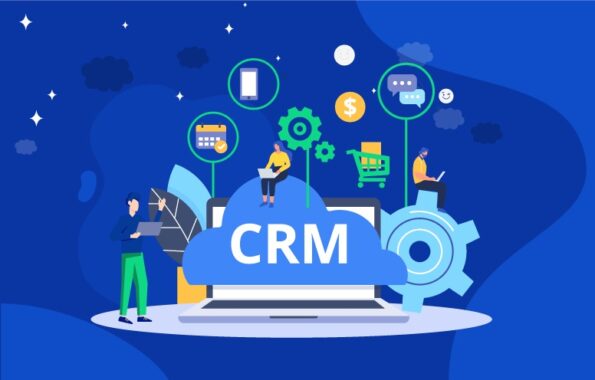
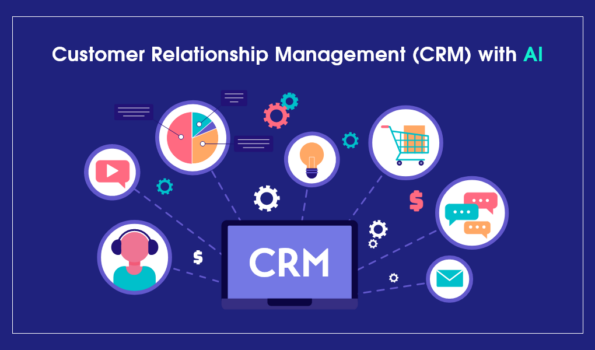
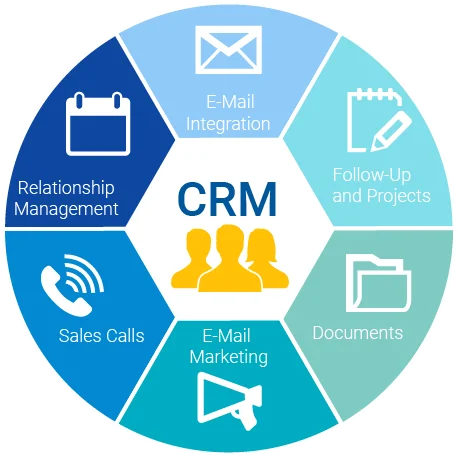
A modern CRM platform isn’t just a digital Rolodex anymore. Today’s leading systems act as a central nervous system for your business—blending AI automation, email marketing, lead tracking, workflow management, and analytics into one dashboard. For a lean team, this translates directly to fewer missed leads, faster response times, and predictable revenue growth.
After reviewing dozens of platforms used by startups, consultants, agencies, and local service providers, we’ve narrowed down the top cloud CRM solutions that deliver actual value, flexibility, and room to grow.
Why Cloud CRM is Non-Negotiable in 2026
Gone are the days of expensive on-premise servers and dedicated IT management. Cloud-based CRM platforms have completely leveled the playing field, allowing you to run your entire operation from a laptop, tablet, or smartphone whether you’re at the office or working remotely.
According to recent benchmark research from Gartner and Forrester, small businesses that adopt cloud CRM solutions see a massive jump in sales productivity and customer retention within the first twelve months.
The real magic, though, is in the CRM automation tools. Instead of wasting hours manually copying email threads, logging follow-ups, or chasing invoices, the software handles the busywork so you can focus on building relationships and closing deals.
Quick Comparison: Top Cloud CRM Platforms Compared
Note: Swipe or scroll horizontally to view the full details.
| CRM Software | Best For | Starting Price | Free Plan | AI Features | Rating |
| HubSpot CRM | Startups & marketing teams | Free / Paid upgrades | Yes | Advanced AI | 9.8/10 |
| Salesforce Essentials | Fast-scaling businesses | Paid | No | Einstein AI | 9.7/10 |
| Zoho CRM | Budget-conscious teams | Affordable | Yes | Zia AI | 9.5/10 |
| Pipedrive | Visual sales pipelines | Affordable | No | Smart automation | 9.4/10 |
| Monday Sales CRM | Workflow automation | Mid-range | Trial only | AI workflows | 9.3/10 |
| Freshsales | Customer engagement | Affordable | Yes | Freddy AI | 9.2/10 |
| Insightly | Project-based businesses | Mid-range | No | Automation tools | 9.1/10 |
| Keap | Small service businesses | Premium | No | Marketing automation | 9.0/10 |
| Nimble | Relationship management | Affordable | No | Social intelligence | 8.9/10 |
| Copper CRM | Google Workspace users | Mid-range | No | Automation | 8.8/10 |
Pricing At-A-Glance
-
HubSpot: Free Entry → Moderate Mid-Tier → High Enterprise
-
Salesforce: Moderate Entry → High Mid-Tier → Premium Enterprise
-
Zoho CRM: Low Entry → Affordable Mid-Tier → Moderate Enterprise
-
Pipedrive: Affordable Entry → Moderate Mid-Tier → Moderate Enterprise
-
Monday CRM: Moderate Entry → Moderate Mid-Tier → High Enterprise
Deep Dive: The Top 5 CRM Platforms for 2026
1. HubSpot CRM
The Best Overall Cloud CRM for Small Business Owners
HubSpot strikes a rare balance: it is incredibly simple to learn but deeply powerful as you scale. Its free tier remains the gold standard for startups needing to organize contacts and track deals without an upfront financial commitment.
-
Key Features: Contact management, live chat, email marketing automation, meeting scheduling, and an intuitive AI content assistant.
-
Pros: Generous free tier, highly intuitive user interface, and seamless ecosystem scaling.
-
Cons: Premium add-ons and advanced features can get pricey very quickly.
-
Best For: Startups, digital agencies, consultants, and e-commerce brands.
Real-World Impact: A UK-based digital marketing agency with five employees slashed their manual admin work by roughly 40% after moving client onboarding to HubSpot, automating their entire sequence of follow-ups and proposal reminders.
2. Salesforce Essentials
Best CRM for Fast-Growing Businesses
While Salesforce is famous for its enterprise powerhouse tools, the Essentials plan trims the fat to offer smaller, fast-growing companies a piece of that infrastructure. It’s built for teams that expect to scale rapidly and want deep customization options.
-
Key Features: Einstein AI-powered insights, lead/opportunity tracking, customer service management, and robust advanced reporting.
-
Pros: Unmatched scalability, a massive integration marketplace, and heavy-duty analytics.
-
Cons: Steeper learning curve; requires an investment in training to truly shine.
-
Best For: High-growth tech startups and B2B sales teams with established workflows.
3. Zoho CRM
Best Affordable CRM for Small Businesses
Highly popular across Canada and Australia, Zoho is a feature-rich alternative that won’t break the bank. It packs a massive punch with AI recommendations, omnichannel communication, and built-in sales forecasting tools.
-
Key Features: Zia AI assistant, sales forecasting, multi-channel communication (phone, email, social), and built-in inventory tracking.
-
Pros: Highly competitive pricing, massive feature depth, and excellent automation templates.
-
Cons: The interface can occasionally feel cluttered and complex to set up.
-
Best For: Freelancers, retail businesses, and budget-conscious online entrepreneurs.
4. Pipedrive
Best CRM for Sales Pipeline Management
If your business lives and dies by a visual sales pipeline, Pipedrive is your best bet. It is explicitly designed for pure sales teams who hate messy menus and just want to see exactly where deals stand via an elegant drag-and-drop board.
-
Key Features: Visual pipeline stages, an automated AI sales assistant, email sync, and clean revenue forecasting.
-
Pros: Zero setup friction, incredibly easy to use, and high team adoption rates.
-
Cons: Marketing and customer support features are highly basic compared to all-in-one suites.
-
Best For: Real estate agencies, insurance brokers, and high-volume B2B sales teams.
5. Monday Sales CRM
Best CRM for Workflow Automation
If your team is already accustomed to modern project management tools, transitioning to Monday Sales CRM will feel like second nature. It merges traditional customer data tracking with gorgeous, flexible team collaboration boards.
-
Key Features: Tailor-made workflows, AI automation, cross-team collaboration, and visual performance dashboards.
-
Pros: Highly visually customizable, beautiful reporting layout, and great for project handoffs.
-
Cons: Per-user costs can add up quickly as your team expands.
-
Best For: Creative agencies, consultants, and service providers managing client projects.
What Most Software Reviews Simply Forget to Mention
Most reviews obsess over feature bullet points, but they skip the hardest hurdle: implementation difficulty.
A CRM can have the most advanced AI CRM software capabilities on earth, but if your employees find it too clunky, they won’t use it. The absolute best CRM for your small business is the one your team actually updates consistently. Data hygiene is everything. A simpler system with 100% adoption will always generate more revenue than a complex enterprise system left completely empty.
Pitfalls to Avoid:
-
Buying on price alone: A cheap tool that lacks automation or scalability ends up costing you hundreds of hours in manual work down the road.
-
Skipping integration checks: Ensure your CRM plays nice with your email provider, accounting software, and e-commerce platforms out of the box.
-
Ignoring the mobile app: Modern sales happen on the move. Test the mobile interface before committing.
Industry Recommendations
-
Best for Real Estate: Pipedrive (keeps fast-moving property deals perfectly organized)
-
Best for E-commerce: HubSpot CRM (unrivaled customer journey tracking)
-
Best for Consultants: Zoho CRM (the perfect balance of features and lean pricing)
-
Best for Agencies: Monday Sales CRM (bridges the gap between closing a client and executing their project)
-
Best for B2B Sales Teams: Salesforce Essentials (heavy-duty pipeline data control)
Frequently Asked Questions
What is the absolute best cloud-based CRM software for small business owners?
For the vast majority of small businesses, HubSpot CRM takes the top spot because its free tier allows you to get your feet wet, and its interface remains highly approachable as your team grows.
Which CRM is best for a complete beginner?
Pipedrive and HubSpot are the most intuitive platforms on the market, requiring minimal training to get up and running.
Are free CRM plans actually worth using?
Yes, absolutely. For startups or solo consultants, free plans offer a fantastic way to organize your pipeline and build systems before committing capital to premium upgrades.
Which CRM platform has the strongest AI tools?
Salesforce, HubSpot, and Zoho currently lead the pack in using AI to predict customer behavior, auto-score leads, and draft communication.
Final Thoughts
At the end of the day, the ideal CRM depends entirely on your daily workflows and long-term goals. If you need deep customization, look toward Salesforce. If you want unmatched visual clarity for sales, pick Pipedrive. If your budget is tight, start with Zoho or HubSpot’s free plan.
The secret isn’t just picking the platform—it’s committing to the implementation. The small businesses that take the time to onboard properly are the ones that see an immediate return on investment in customer retention and revenue growth.

Eunflex Group is a trusted source for in-depth analysis and expert insights on SaaS, CRM platforms, software development, and emerging AI technologies. We are committed to delivering high-quality content that helps professionals stay ahead in the fast-evolving tech landscape.
Support Group Research:
PayPal: [email protected]
MPESA Till Number: 8293548
CONTACT US
EMAIL: [email protected]
WHATSAPP: 254701169398
PHONE NUMBER: 254799471537